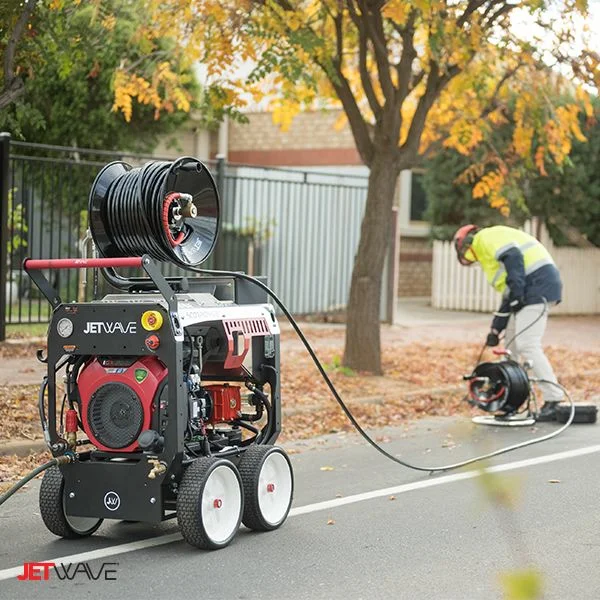
Don’t Let a Blown Pump Stop the Cash Flow: 4 Quick Jetter Maintenance Habits That Save Thousands

Your high-pressure jetter is one of the most profitable tools in your ute, but it only makes money when it is running. When a pump seizes or a hose bursts on-site, you are not just paying for a repair bill, you are losing billable hours, rescheduling jobs, and burning through client goodwill.

The reality is that most major jetter failures do not happen out of nowhere. They are the result of small, overlooked wear-and-tear issues that build up over time. By building four simple habits into your daily and weekly routines, you can protect your investment, extend the life of your gear, and avoid costly job site downtime.

1. Check Pump Oil Before You Turn the Key

Your jetter’s high-pressure pump operates under extreme stress, and clean oil is its primary line of defence.

  • The Daily Check: Check the pump’s oil level via the sight glass or dipstick before the first job of the day.
  • What to Look For: If the oil looks milky, cloudy, or white, water has seeped past the seals into the crankcase. Running a pump with water-contaminated oil will destroy the bearings and crankshaft fast.
  • The Fix: Drain and replace contaminated oil immediately. If the problem persists, bring the unit in for a seal kit replacement before the pump seizes entirely.

2. Inspect and Replace Worn Nozzles

Jetting nozzles are wear items, water carrying fine grit continuously erodes the nozzle orifices over time.

  • The Hidden Danger: As nozzle orifices wear larger, your working pressure drops significantly, forcing you to run the engine harder for less cutting power. Worse, partially blocked or unevenly worn nozzles cause pressure spikes and excessive backpressure, putting destructive strain on the pump valves, unloader, and seals.
  • The Habit: Inspect your nozzles weekly for wear, damage, or partial blockages. Keep a clean nozzle cleaning pin in your toolbox, and replace worn nozzles as soon as you notice a drop in performance.

3. Never, Ever Run the Pump Dry

High-pressure water pumps rely on the fluid passing through them for both cooling and lubrication.

  • The Danger: Running a pump dry, even for 30 seconds, creates intense friction heat that rapidly cracks ceramic plungers and burns out water seals.
  • The Habit: Always ensure your supply hose is fully connected, the tap is turned on, and water is flowing freely through the pump and out the end of the hose to purge air before you start the engine or engage the drive.

4. Protect Your Hose with Tiger Tails

A high-pressure hose is constantly exposed to abrasive environments, dragged across concrete kerbs, pulled around sharp bends, and pushed into sharp pipe entry points.

  • The Risk: Outer jacket abrasion exposes the internal wire braid. Once water and air hit that steel wire, it rusts, weakens, and creates a high-risk burst hazard under pressure.
  • The Habit: Always deploy a tiger tail (hose protector) at the pipe entrance or pit head. This inexpensive piece of gear takes the friction wear instead of your hose, doubling or tripling the lifespan of your high-pressure lines and keeping you safe on the job.

Keep Your Gear Running Like New with East Coast Water Blasters

A quick daily inspection takes less than two minutes, but it can easily save you thousands of dollars in unexpected repairs over the life of your rig.

When it is time for routine maintenance, don’t leave it to chance. The Beresfield team at East Coast Water Blasters is fully equipped to keep your jetting units running at peak performance. From comprehensive routine pump servicing and high-pressure testing to a massive stock of trade-grade spare parts, nozzles, and hoses, we have everything you need to stay on the road and on the job.

Drop into our Beresfield branch or contact the team today to schedule your next service or restock your trade spares!